
Where Bright Ideas
Come to Life!
Come to Life!
Electrical insulation is a vital aspect of any electrical system. It refers to materials that prevent the flow of electric current, primarily ensuring safety and efficiency in electrical wiring and devices. The primary goal of insulation is to protect against unintended current leakage that can lead to electrical shocks, equipment damage, or even fire hazards.
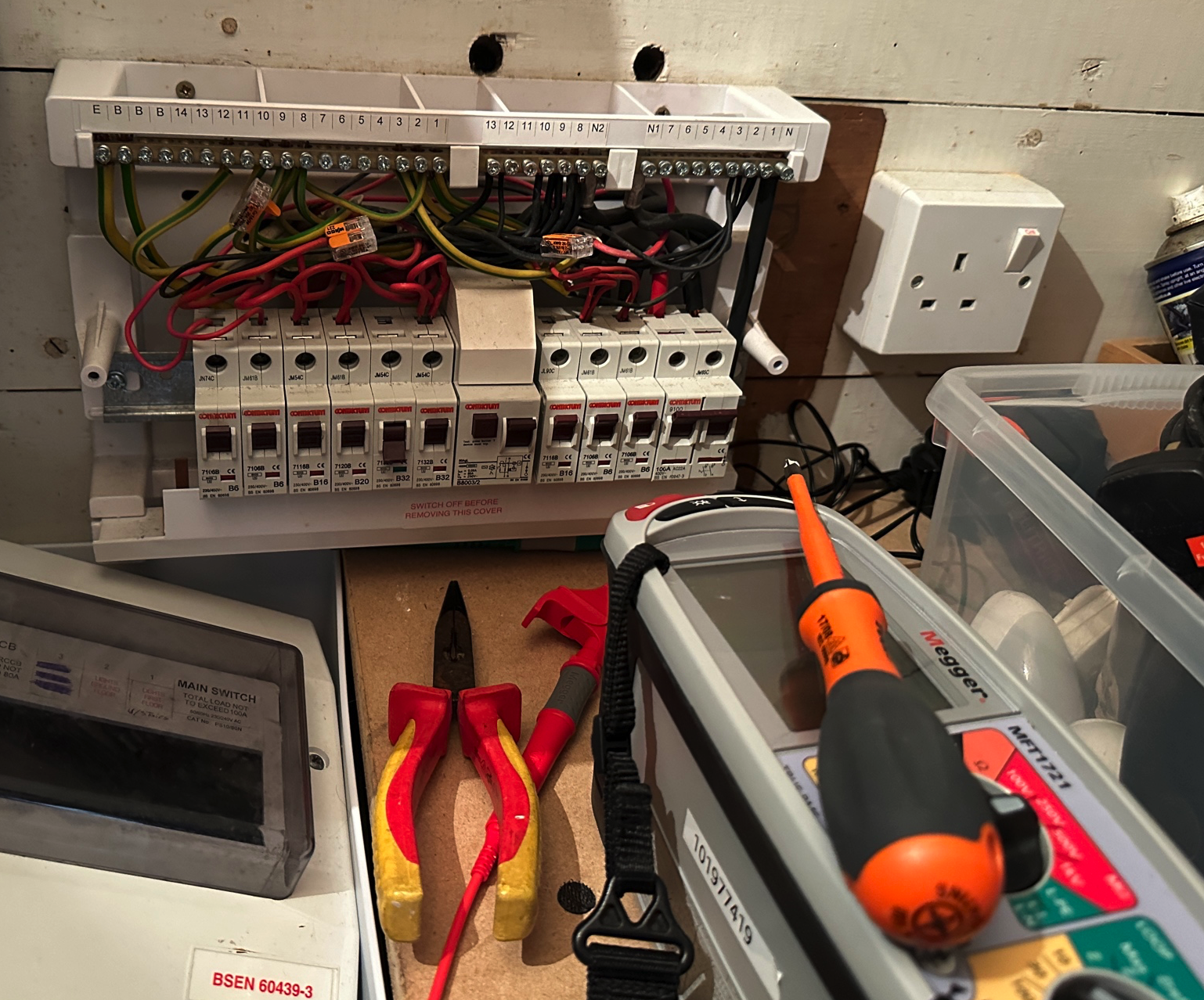
Insulation resistance refers to the ability of electrical insulation to resist the flow of electric current. It is a measure of how well an insulating material can keep electricity contained within its intended path, preventing it from leaking to unintended areas. Essentially, high insulation resistance indicates that the insulation is effective, while low insulation resistance may signal that the insulation is failing or damaged.
Safety: The most critical reason for conducting insulation resistance measurements is safety. A failure in insulation can result in electrical shocks, which can be dangerous or even fatal. Ensuring high insulation resistance helps to protect users from electrical hazards.
Equipment Protection: Electrical equipment is costly; protecting it from current leaks can prevent premature failure and costly replacements. Measuring insulation resistance helps identify vulnerabilities before they lead to major issues.
Performance Optimization: High insulation resistance improves the overall efficiency of electrical systems. Low insulation resistance can lead to energy losses, which are not only wasteful but can also increase operating costs.
Compliance: Many industries have regulations and standards that require certain insulation resistance levels to ensure the safety and reliability of electrical systems. Regular testing helps maintain compliance.
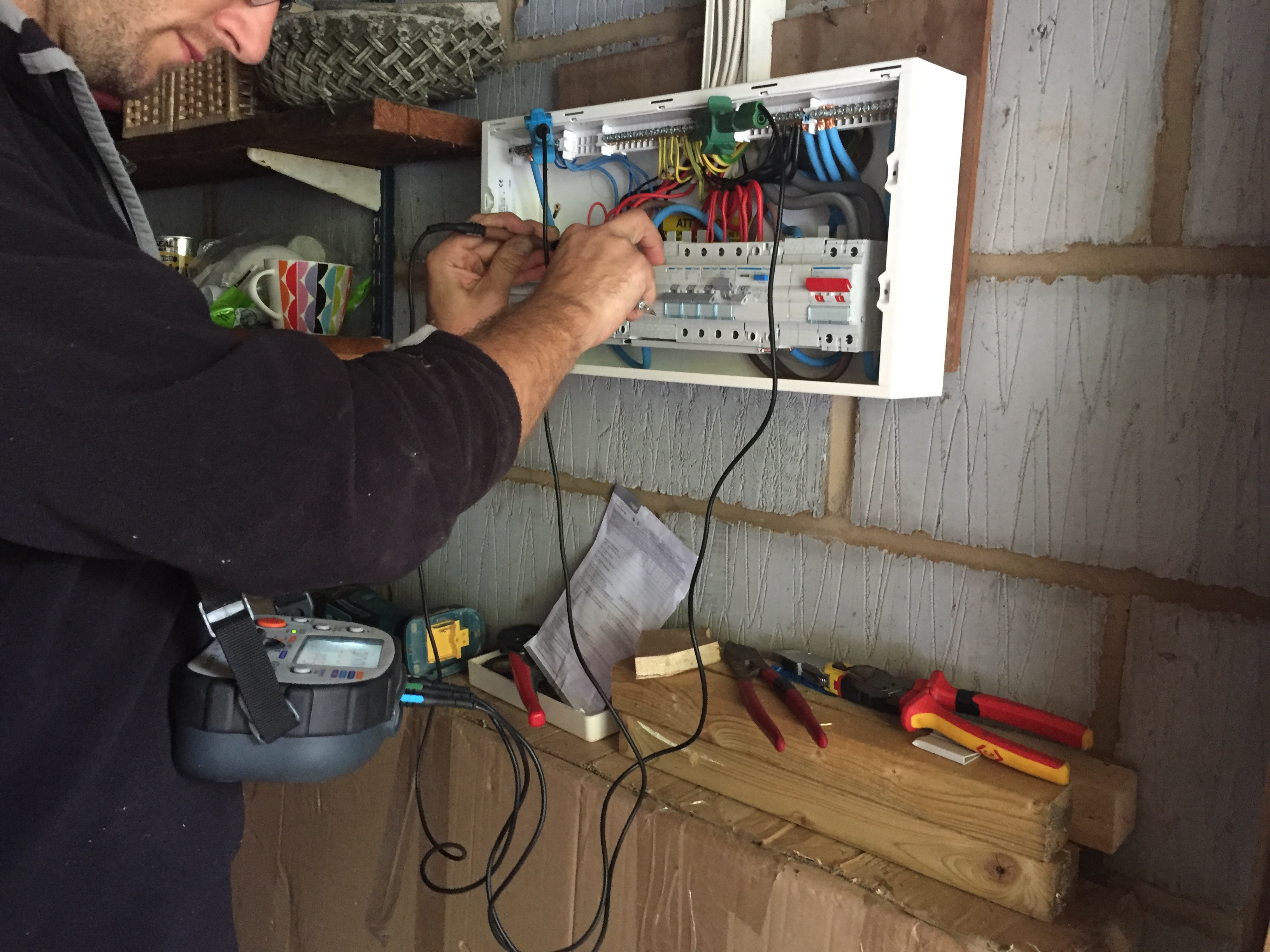
To measure insulation resistance, electricians typically use a special device known as a megohmmeter (or insulation resistance tester). Here's a simplified explanation of the process:
Preparation: Before testing begins, the circuit or component needs to be de-energized to ensure safety. All electrical power must be disconnected.
Connection: The megohmmeter has two probes. One probe is connected to the conductor (the part that carries the current), while the other is connected to the ground or the earth.
Testing: The megohmmeter applies a specific voltage, usually 250V, 500V, or 1000V, depending on the application. It measures how much current leaks through the insulation for a given voltage.
Reading the Results: The tester displays a value in ohms, indicating the insulation's resistance. A higher value (thousands or millions of ohms) is typically good, while lower values may suggest insulation deterioration
Several factors can influence the insulation resistance of a material:
Temperature: Insulation resistance decreases with an increase in temperature. This is because warmer conditions can cause materials to expand and change their conductive properties.
Moisture: Water can significantly reduce insulation resistance. Even small amounts of moisture can create conductive paths for electric current, leading to lower resistance readings.
Age and Wear: Over time, insulation materials can degrade due to exposure to heat, chemicals, and physical wear. Regular testing can help identify insulation that has reached the end of its useful life.
Pollution and Contaminants: Dust, dirt, and other environmental contaminants can accumulate on insulated surfaces, creating paths for leakage currents. Regular maintenance and cleaning can help preserve insulation integrity.
The acceptable insulation resistance value varies by the application, but general guidelines include:
If low insulation resistance is detected, a few steps can be taken to troubleshoot the issue:
Identify Leakages: Inspect the affected area for signs of moisture, damaged cables, or worn insulation.
Repair or Replace: If damage is found, affected cables or components may need to be repaired or replaced.
Testing After Repairs: After addressing the issue, retesting the insulation resistance is critical to ensure that the problem is resolved and the insulation is now effective.

Understanding insulation resistance is essential for ensuring the safety and performance of electrical systems. Regular testing and maintenance can prevent electrical hazards and equipment failures, extending the life of the devices and systems we rely on daily
If you're looking for a reliable electrician, then look no further than our team at Bright Spark Electrical Services
01892 531728. We offer a range of services including electrical inspections, testing, and certificates.
- electrical Safety
- electrical inspection
- electrical certificate
- power supply systems
- cables
- circuit breakers or fuses
- Consumer Units
- Electrical Distribution boards.
For further Information, please do not hesitate to contact us.
Telephone: 01892 531728
You just saved us the biggest headache ever; after months of electrical problems ( now resolved), we had a ‘no power situation’. After checking circuit boards, switches etc we were at a complete loss. Read your piece above (after Googling ‘circuit board switches up, but no power‘) about RCD switch and resetting (didn’t know what an RCD was), and after 8 hours sleep dreaming of circuit boards and 2 minutes of contemplation, and re-reading your advice,I totally nailed it. Brilliant tutorial, many thanks. Susanne (I am neither young nor savvy with anything technical)
Our timer on our central heating went and my husband was miles away at work,it was early evening when I phoned karen, but straight away she told me not to worry,to send a photo of the timer and she'd sort it out,and she did, an electrician came out with a new timer fitted it and was gone, brilliant service from start to finish, will definitely use them again and would highly recommend them
We found the service to be friendly and pro-active. We had an appointment quickly and the engineer was able to find the issue, which was not straightforward, within an hour and rewire the effected ceiling lamp and resolve the issue completely within 2 hours. Very methodical and accurate working - most appreciated!
So who would've thought an electrician could have sorted a hot water problem? Well, after a plumber left us with an expensive bill and still no hot water, we called Bright Spark in the hope that they could at least tell us what the problem was. Lo and behold, within 30 minutes, Karen has given us hot water..............excellent service as ever from Bright Spark – thank you
We were very pleased with the recent electrical work which was carried out in a professional manner by your electrician and will certainly use your company again when future needs arise. Also I would be happy to recommend your services to any of our friends.