

Where Bright Ideas
Come to Life!
Come to Life!
(From Your Local Tonbridge & Tunbridge Wells Electricians)
Pendent lights are one of the easiest ways to completely change the feel of a room – often without changing anything else. They can make a kitchen look more “designed”, turn a dark corner into a cosy reading nook, or give a hallway that boutique-hotel feel.
At Bright Spark Electrical Services, pendant lighting is one of the most common things we’re asked to help with. I’m Karen Smith – owner of Bright Spark and an electrician with over 25 years’ experience. Our friendly, qualified team is based in Tonbridge and Tunbridge Wells, and we cover roughly a 25‑mile radius around the area. If you’re local and thinking about pendant lights, this guide is written especially with you in mind.
In this article, we’ll walk you through:
By the end, you’ll have a clear idea of what will work in your home – and what to avoid – whether you’re updating a single room or planning a full renovation.
Let’s start with the basics. A pendent light is simply a light fixture that hangs down from the ceiling, usually suspended by a cord, chain, or metal rod, with the light fitting at the end.
You’ll see them:
They can be tiny and subtle, or large and dramatic. Some hold one bulb, some hold several; some are open and industrial-looking, others are soft and diffused. That flexibility is exactly why they’re so popular.
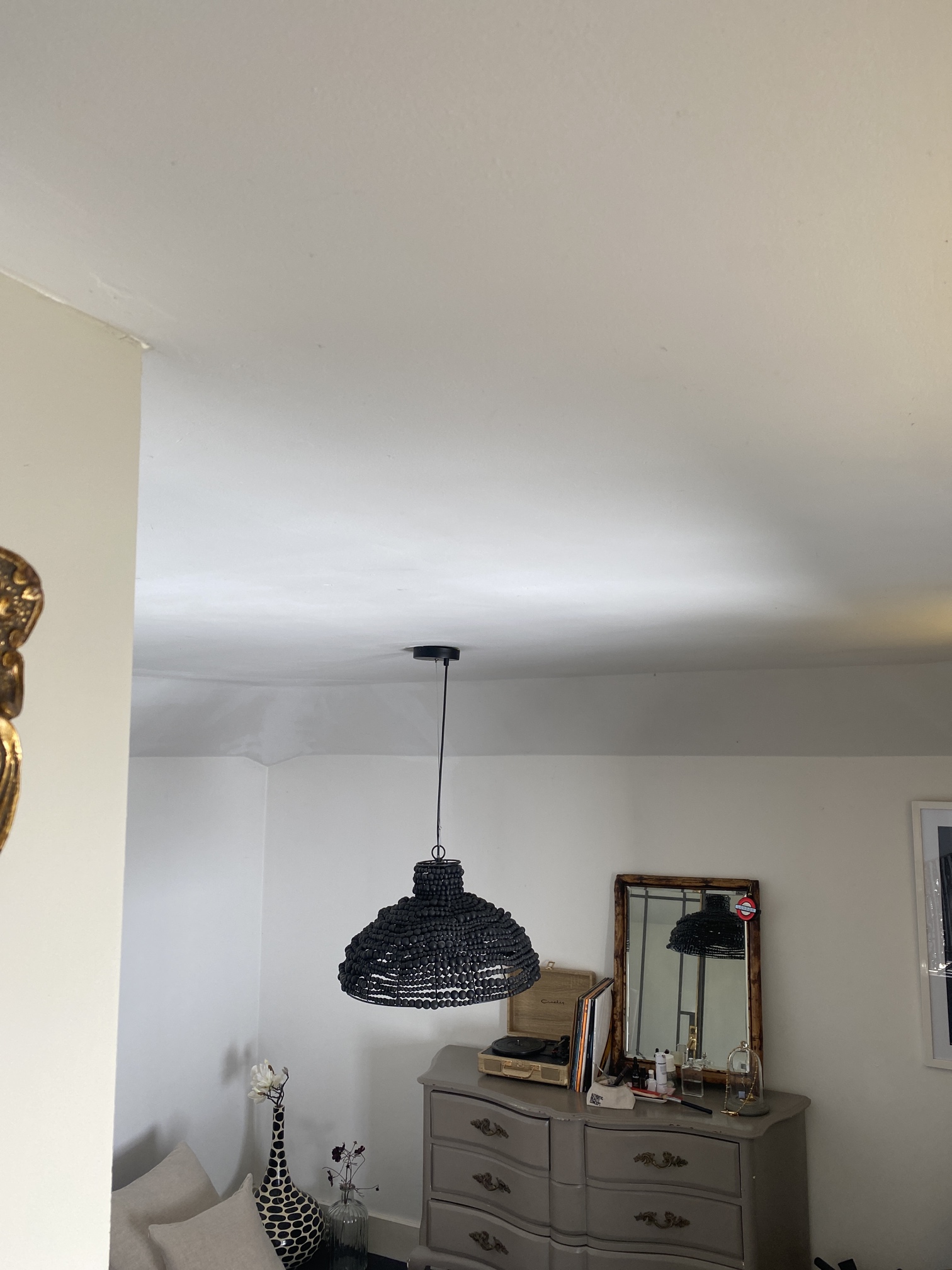
The word pendant comes from the Latin “pendere”, meaning “to hang down”. For centuries, hanging lights have been used in grand spaces such as:
In the early days, these fittings started as oil lamps, candles and gas lights. Once electricity became common in homes, hanging fixtures evolved into what we recognise today as pendant lights and chandeliers.
Fast‑forward to modern homes in places like Tonbridge and Tunbridge Wells, and pendant lighting has become one of the most effective tools in interior design. It’s no longer just about illumination – it’s about style, atmosphere and how a room feels when you walk into it.
Pendant lighting is popular for good reason. When we visit customers’ homes across West Kent, we find the same benefits come up again and again.
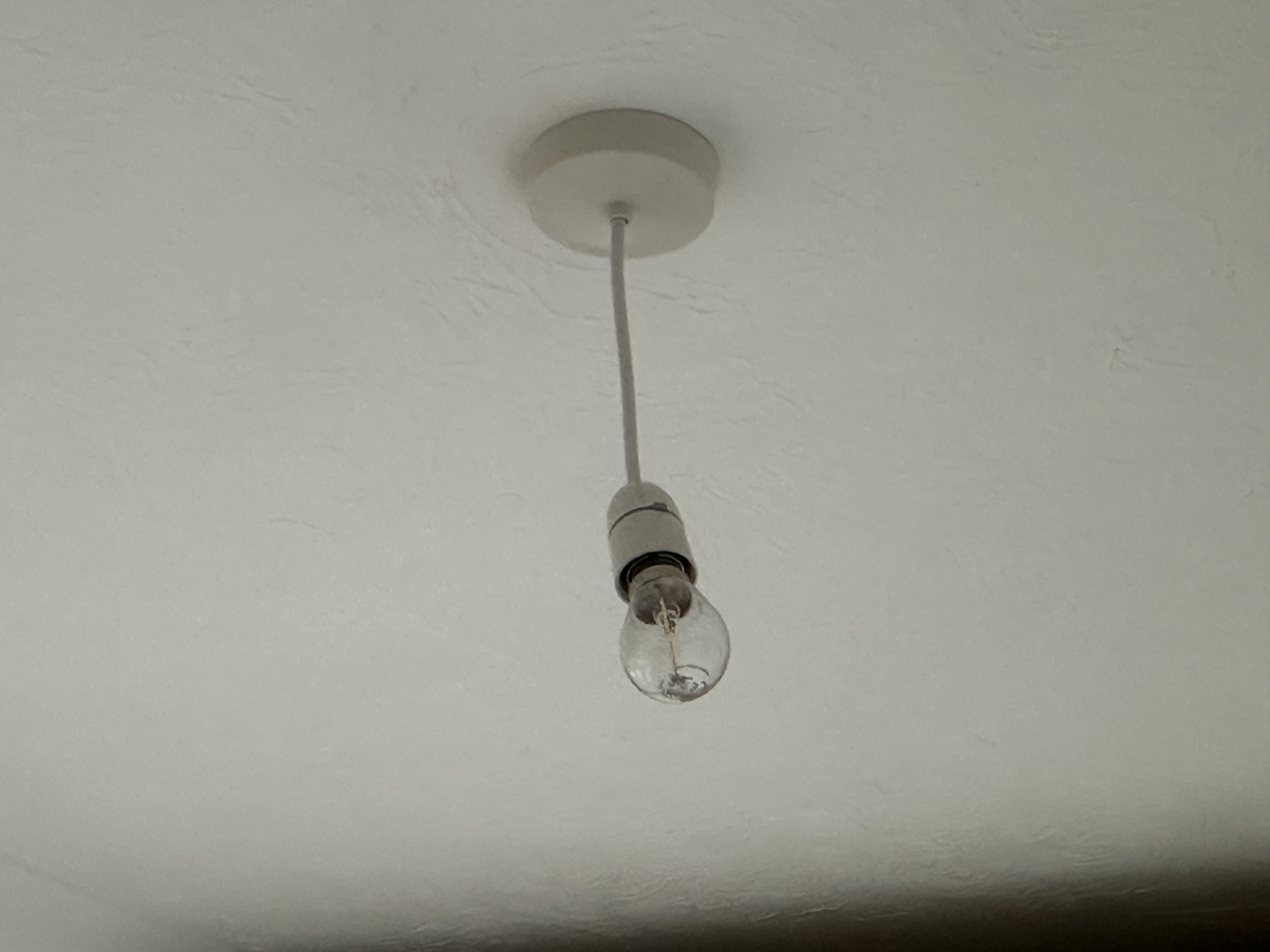
In smaller homes, flats, or compact rooms, every bit of surface area matters.
Pendant lights:
For example, in a modest kitchen in Tonbridge where the worktops were already full, swapping a single ceiling light for a row of pendants over the counter gave far better lighting without sacrificing any workspace.
Pendant lights are ideal when you need task lighting – focused light where you actually do things:
With the right height and the right shade, pendant lights can provide strong, direct lighting where you need it, while still feeling warm and inviting.
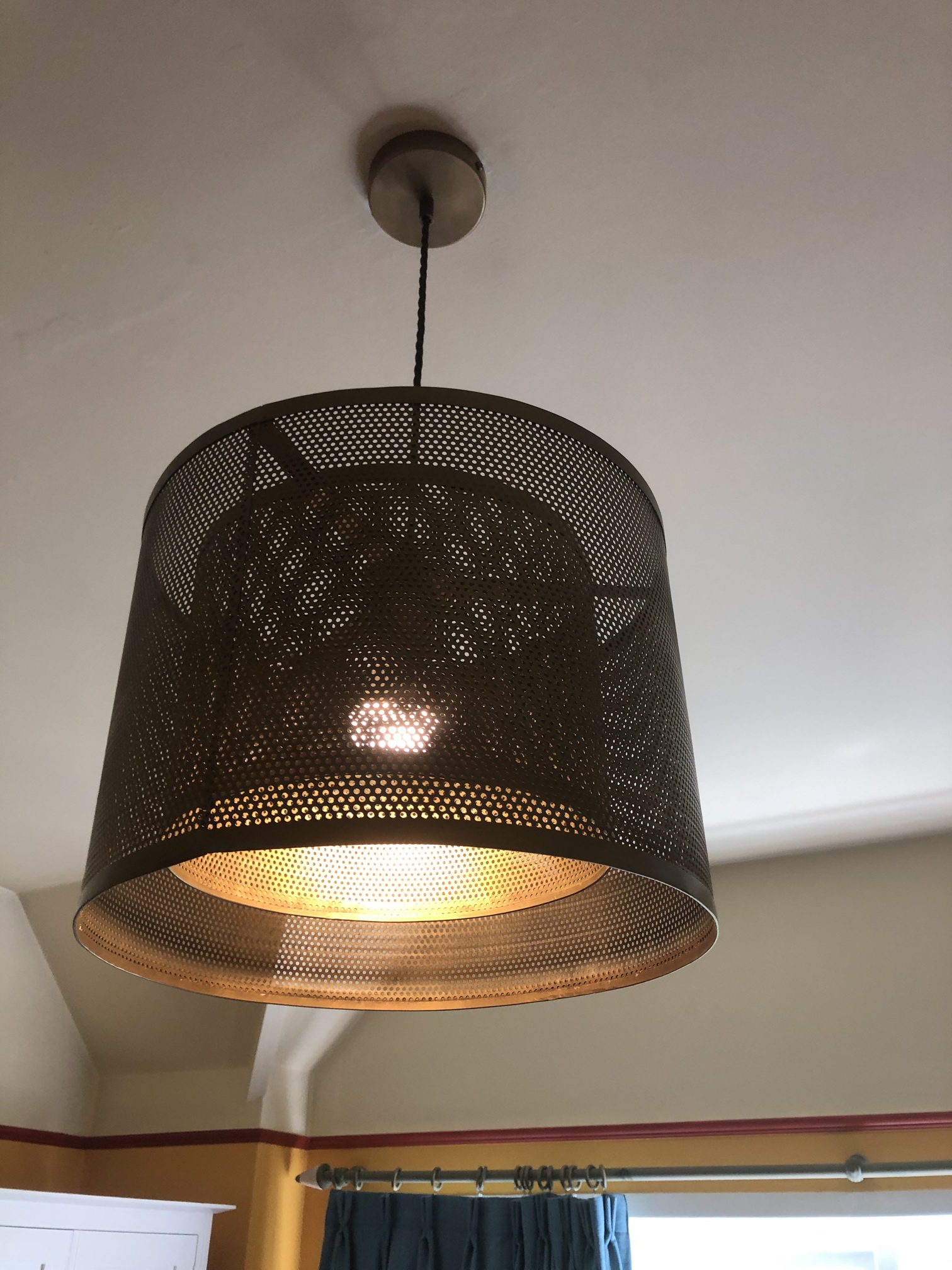
One of the biggest draws is how easy it is to match pendants to your interior style. There truly is something for everyone:
Because they’re such a visual feature, pendants can either:
If your kitchen or living room is fairly plain or neutral, a few well-chosen pendants can give it a completely new personality.
Good lighting is rarely about one single fitting. The most comfortable and flexible rooms use layered lighting:
Pendants are a brilliant way to combine task and accent lighting in one fixture. They can be bright enough for chopping vegetables or helping with homework, but when used with a dimmer, they’re also perfect for softer evening light.
Many customers ask us if their light should be called a chandelier or a pendant. The terms sometimes get used interchangeably, but there are some useful distinctions.

A chandelier might be right if:
A pendant (or a cluster of pendants) might be right if:
There is a grey area: some modern designs blur the lines, for example a bar with several hanging bulbs. In practice, it doesn’t matter what you call them – what matters is whether the fitting suits your space, your taste and your budget.
Before you even start shopping, it’s worth taking a moment to plan. The most successful lighting projects we see locally all have one thing in common: a bit of thought up front.
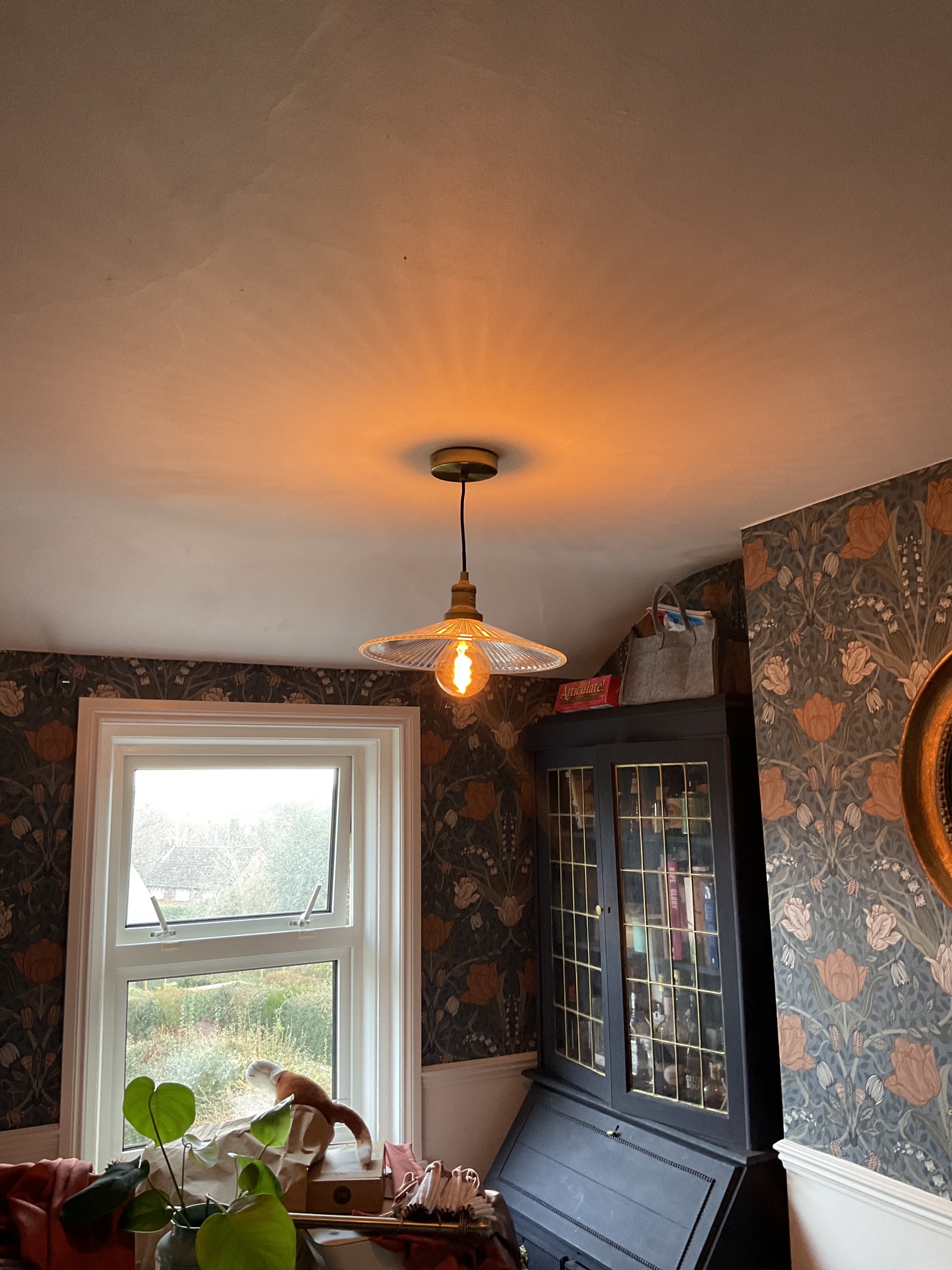
Start with three basic measurements:
These will influence:
As a rough guide:
For a standard UK ceiling height (around 2.3–2.4m / 7’6”–8’), you’ll usually want pendants that are reasonably compact and hung high enough that you won’t hit your head.
Ask yourself: what is this light for?
Your answer will help you decide:
Look at your existing decor:
You can either:
If you’re in a period property (quite common around Tunbridge Wells or Tonbridge), consider pendants that complement the architecture – for example:
The aim is to enhance the character of the property, not fight against it.
Think about:
Sketching the room on paper (or even using masking tape on the ceiling) can be useful before committing.
The kitchen is the most common place we install pendant lights. Done well, they’re both beautiful and practical. Done badly, they can be annoying – glaring in your eyes or in the way when you’re cooking.
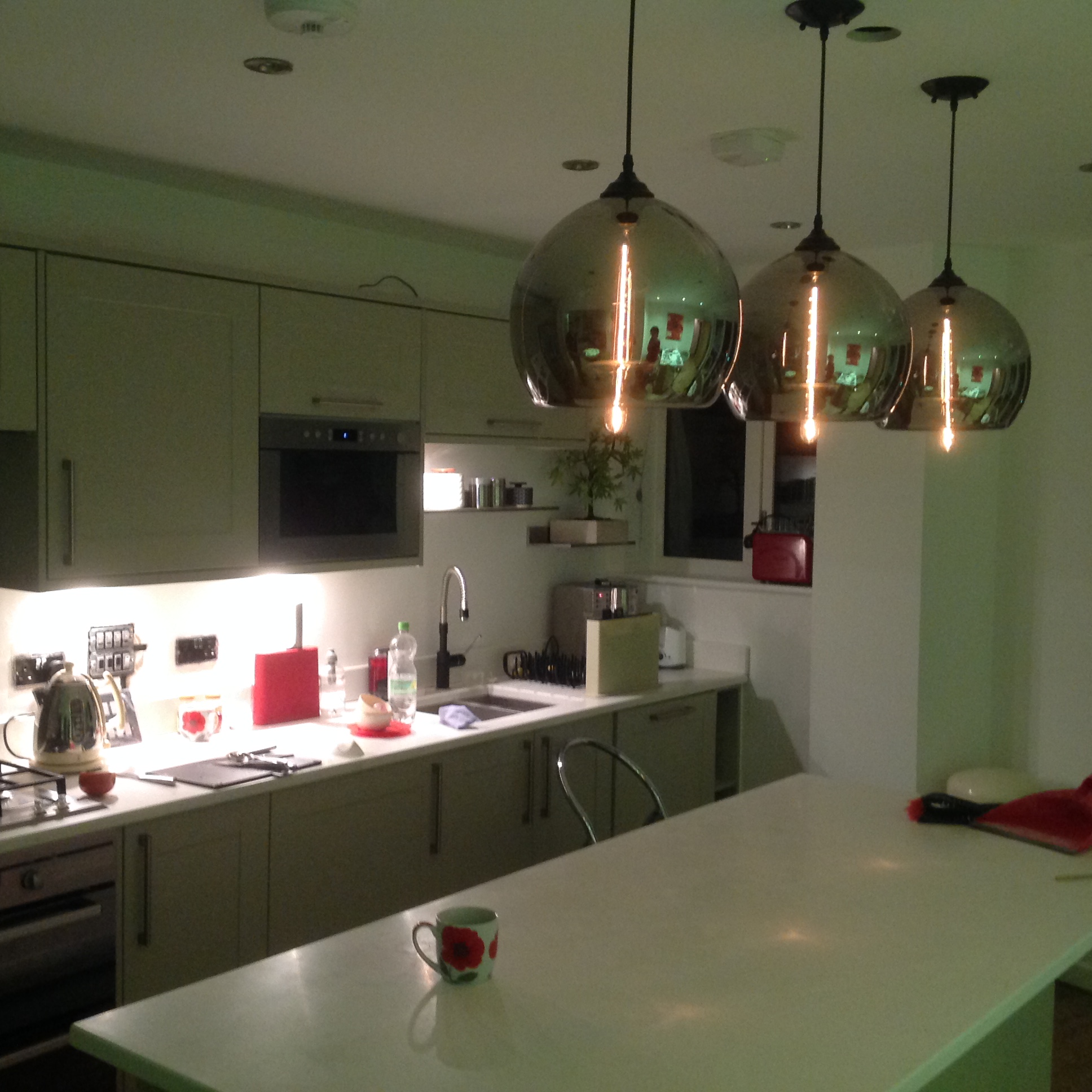
Here are some tried-and-tested rules.
For a standard-sized kitchen island, the classic approach is:
A simple formula:
For example, if your island is 180cm long and you want three pendents:
Dining tables are a great place for a more decorative pendent, as the fitting is generally central and you’re seated below it.
Guidelines:
For long tables, you can use:
We often get called into homes around Tonbridge and Tunbridge Wells to fix problems like:
If you’re unsure, we’re always happy to visit, take measurements and advise on ideal positions before anything is drilled or wired in.

Design tastes change, and lighting is no exception. Here are some of the styles we’re currently seeing a lot of locally.
Today’s most popular pendents often combine two or more materials, such as:
These combinations bring depth and texture to a room, making the lighting feel more like furniture than just a utility.
Glass pendants remain extremely popular, especially:
Pairing glass pendants with warm LED bulbs can create a very inviting glow.
Black or white metal pendents are a safe, stylish option in many homes:
They’re also easy to pair with other black or white features such as door hardware, sockets, and taps.
Instead of one large fitting, many people choose cluster pendants:
These can be especially impressive in new builds or renovations where the staircase or landing is a key feature.
The industrial look is still popular, but it’s become a bit softer:
This works well in period properties where a fully industrial look might feel out of place.
The “look” of the fitting is only half the story. The bulbs you choose will dramatically affect:
With LED bulbs, it’s more accurate to look at lumens (actual brightness) rather than just wattage.
Rough guidance:
In most pendant applications above a kitchen island or table, a 5–7W LED (around 400–700 lumens) per fitting is a good starting point, depending on how many pendants you have and what other lighting is in the room.
Bulbs come in different colour temperatures, usually expressed in Kelvin (K):
In many homes, we find 2700–3000K works best for pendants, even in kitchens, because it’s more flattering and comfortable, especially in the evenings. You can then supplement with slightly cooler under-cabinet or ceiling lighting if needed.
We strongly recommend dimmable pendants wherever possible:
Make sure:
If in doubt, ask your electrician – we routinely advise on and fit compatible dimmers across Kent homes.
It’s tempting to think, “It’s just a light, I’ll fit it myself.” Sometimes that’s fine – in other cases, it’s risky or can lead to ongoing problems.
If:
Then a competent DIYer might manage a straightforward replacement.
However, even in simple situations, people often run into issues such as:
At Bright Spark Electrical Services, we recommend using a qualified electrician when:
An experienced electrician will:
In the Tonbridge / Tunbridge Wells area, we see a lot of older housing stock. DIY attempts, especially in loft conversions or extended kitchens, can create real safety issues – from overloaded circuits to loose connections hidden behind ceilings.
If you’re ever unsure, it’s safer and often cheaper in the long run to have it done professionally.
To make your pendent project run smoothly, follow this simple checklist:
Write these down – you’ll need them when choosing the size and drop of your pendants.
For each pendant, decide:
Look at your existing decor and decide:
Collect a few reference images or screenshots – these really help if you’re asking for professional advice.
If you’re local, this is a point where we can visit, look at your space, and help you finalise the plan.
Before ordering, consider:
Discussing this with an electrician early avoids surprises once the fittings arrive.
While we love pendents, they’re not always the best solution for every space. It’s worth considering alternatives, especially if:
Here are a few options.
Track lighting consists of a fixed track with adjustable heads or spotlights.
Good for:
It gives you the option to adjust where the light falls over time.
Recessed downlights sit flush into the ceiling, giving a very clean, modern look.
Good for:
You can always combine downlights with one or two pendents in key positions for added character.
Wall lights can be incredibly useful where ceiling lighting is limited or where you want to avoid pendents.
Good for:
If your ceiling is low but you want something more decorative than just a downlight:
These can sometimes give you the look of a chandelier in a more compact form, useful in smaller Victorian terraces or bungalows.
In older or listed properties, it’s especially important that new lighting respects the character of the building:
We often help homeowners in older Tunbridge Wells and Tonbridge properties carefully blend modern functionality with traditional charm.
In the UK, electrical work is governed by BS 7671 (IET Wiring Regulations) and building regulations. While replacing a like-for-like pendant is generally considered minor work, more extensive changes may need to comply with Part P of the Building Regulations.

A professional electrician will:
This isn’t just about ticking boxes; it’s about:
If you’re in rented accommodation, it’s even more important that any electrical changes are done properly, both for safety and for compliance with landlord responsibilities.
If you’re in Tonbridge, Tunbridge Wells, or within about 25 miles of us, we’d be delighted to help you with your pendant lighting – from a simple replacement to a full design and installation.
We can:
With over 25 years’ hands‑on experience and a reputation built locally, our aim is simple: to make your home feel beautifully lit, safe and welcoming – without stress.
Pendant lights are more than just fittings on a ceiling. Chosen and installed well, they:
If you have a kitchen island that feels a bit flat, a dining room that needs a focal point, or a hallway crying out for character, pendant lighting could be the perfect solution.
If you’re local to Tonbridge or Tunbridge Wells and you’d like expert help planning or installing pendent lights in your home, get in touch with Bright Spark Electrical Services. We’ll happily talk through your ideas, visit your property, and help you create a lighting scheme that looks beautiful and works brilliantly day to day.
Your next favourite room might just be a pendent fitting away.
We're your local, family-run electrical team serving Tunbridge Wells, Crowborough, Tonbridge, Sevenoaks, and surrounding areas. When you need reliable electrical work done right, Bright Spark is here to help.
Their Pricing & Rates are Transparent to all Customers. Please see Pricing
To find out more call them today on 01892 531728 or contact us via the enquiries form on the website.

I was very pleased with the quick response and the job was successfully done by a nice Tradesman the cost was competitive And will call this company to carry out any further work.
I live in a very old house with many different electrical systems. As a condition of my household insurance I had to have the house electrics upgrade to a modern standard. I engaged Bright Spark for the complex project. My experience of their service was that they are a highly professional company who completed the work on time and on budget. However, and just as importantly, the work was carried out with consideration and care, sadly a rare occurrence in today's society. I have no hesitation in recommending Bright Spark to my friends.
Thank you for attending my “Emergency Call out” there was smoke coming out of my socket. I telephoned at least 15 electricians after 7:15pm (in the evening) when we discovered the smoke coming out of the Socket. Their phones not even being answered. The next on my list was Bright Sparks, who were the only ones to answer the call - literally within a couple of rings, and was answered by a lovely lady who reassured me that help would be on the way. The Call was sent to your emergency electrician who called back within 15 minutes, and was able to attend within the hour, and fix the problem. Thank you. Excellent Service
We recently appointed Bright Spark Electrical Services for upgrading our home electrics. Initially their quotation submitted was very professional, every detail of work to be carried out was itemised. The work was completed very efficiently and very speedily. In fact a good tidy electrical job. I believe in giving credit where it is due I would recommend Bright Spark Electrical Services not only for the work completed in my home, but also for their impressive record, which can be easily checked.
My external security lights had failed and because they were over 20 years old, several electricians felt unable to help me. I then asked Karen from Bright Sparks to get involved. She promptly surveyed the problem, gave me a competitive quote and as soon as I accepted it, gave me a firm date for the work to be undertaken. Her electricians arrived on the due date, were very friendly and tidy and worked in difficult places without problem. I definitely intend to use Bright Sparks again.